備忘錄
投影片放映
大綱
1
 
2
 
3
 
4
 
5
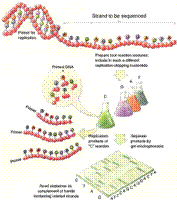
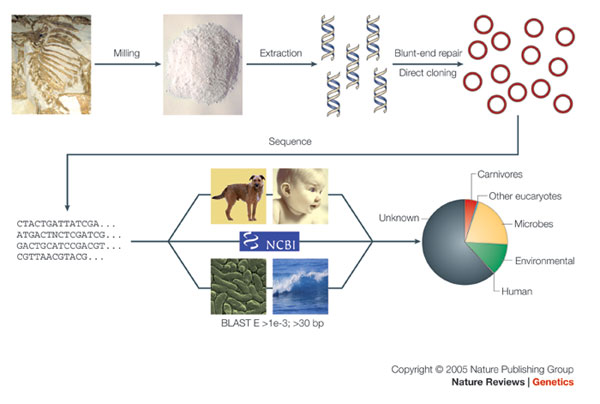
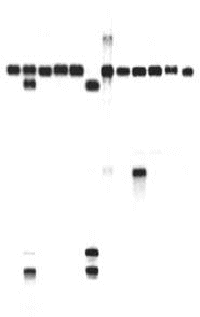
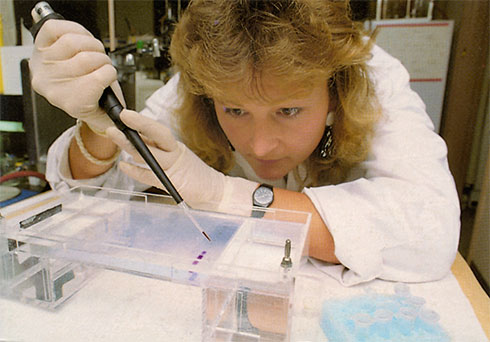
"Clone the DNA"
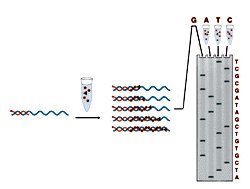
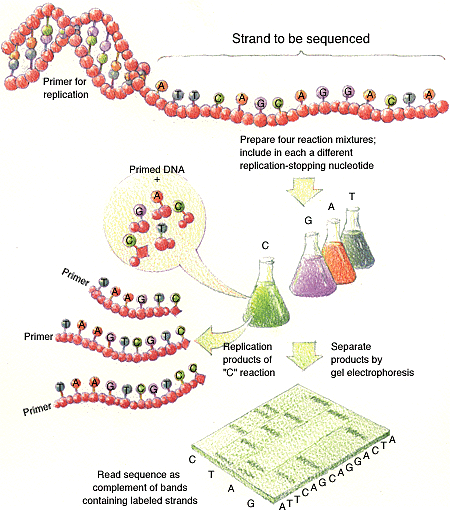
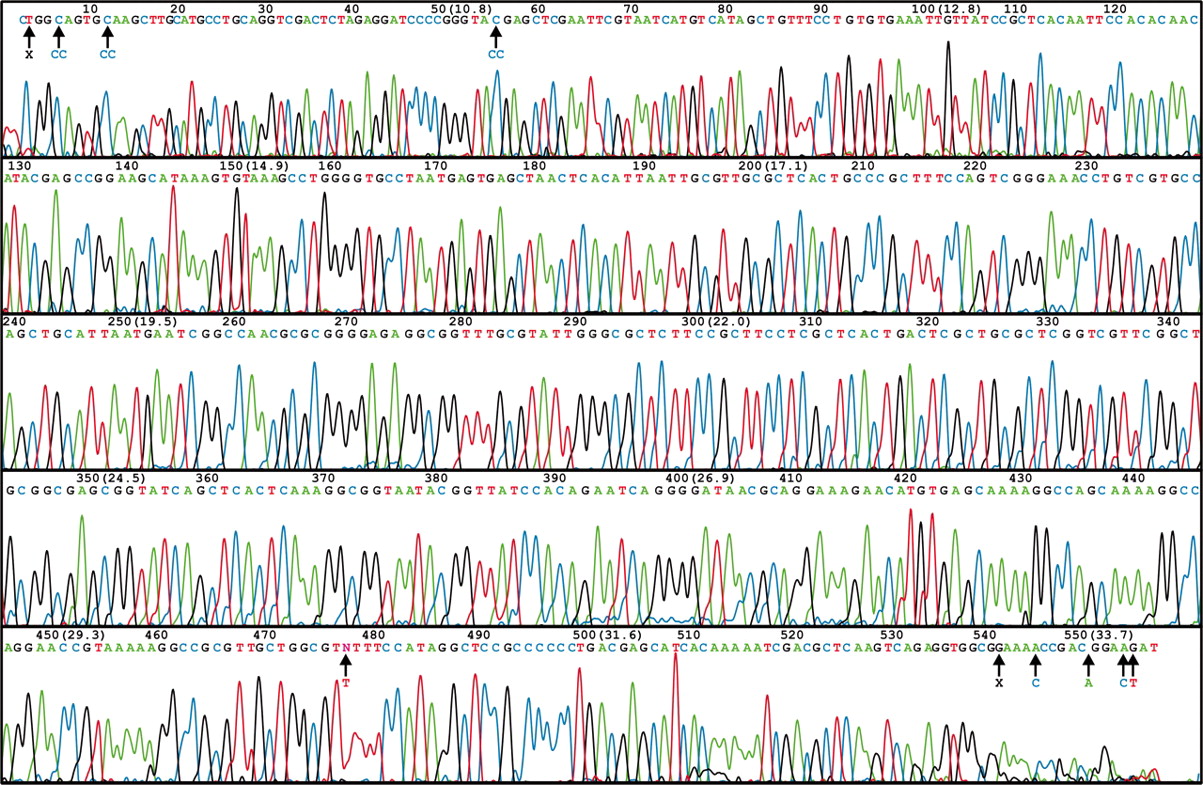
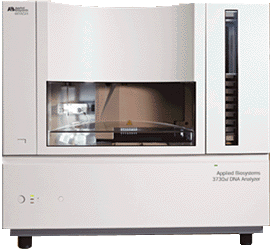
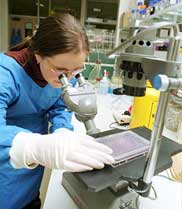
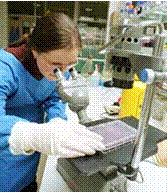
  • Clone the DNA.
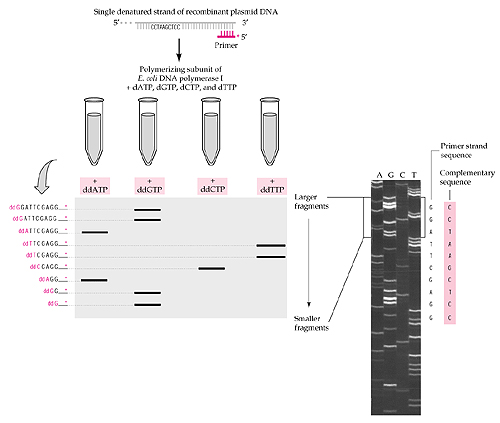
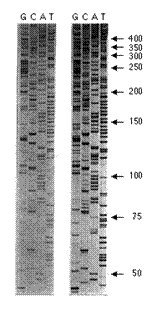
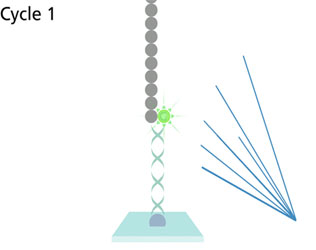
  • Generate a ladder of labeled (colored) molecules that are different by 1 nucleotide.
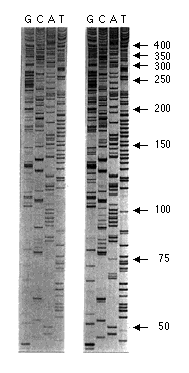
  • Separate mixture on some matrix.
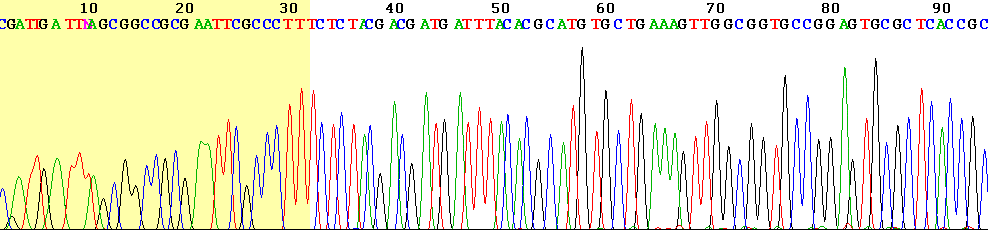
  • Detect fluorochrome by laser.
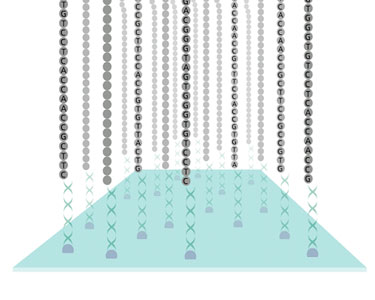
  • Interpret peaks as string of DNA.
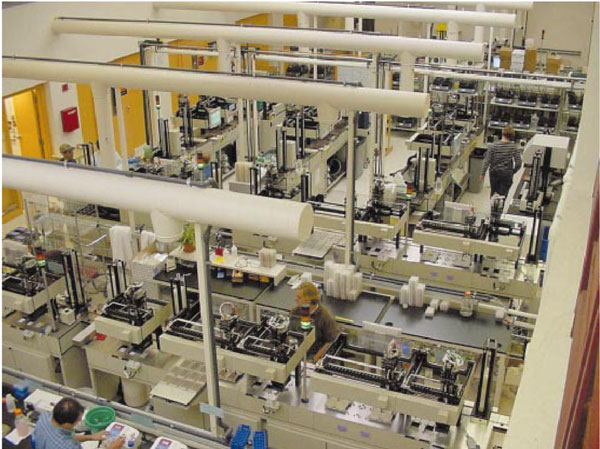
  • Strings are 500 to 1,000 letters long
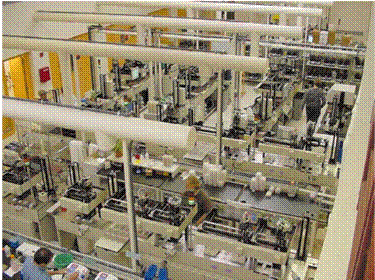
  • 1 machine generates 57,000 nucleotides/run
  • Assemble all strings into a “whole”.
6
 
7
 
8
 
9
 
10
 
11
 
12
 
13
 
14
 
15
 
16
 
17
 
18
 
19
 
20
 
21
 
22
 
23
 
24
 
25
 
26
 
27
 
28
 
29
 
30
 
31
 
32
 
33
 
34
 
35
 
36
 
37
 
38
 
39
 
40
 
41
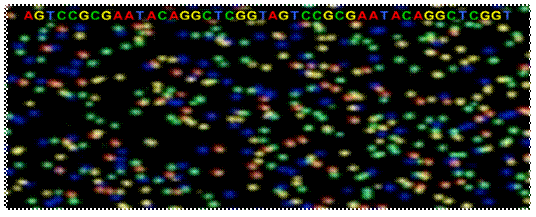
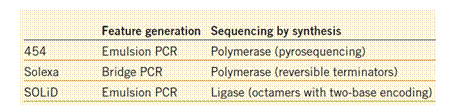
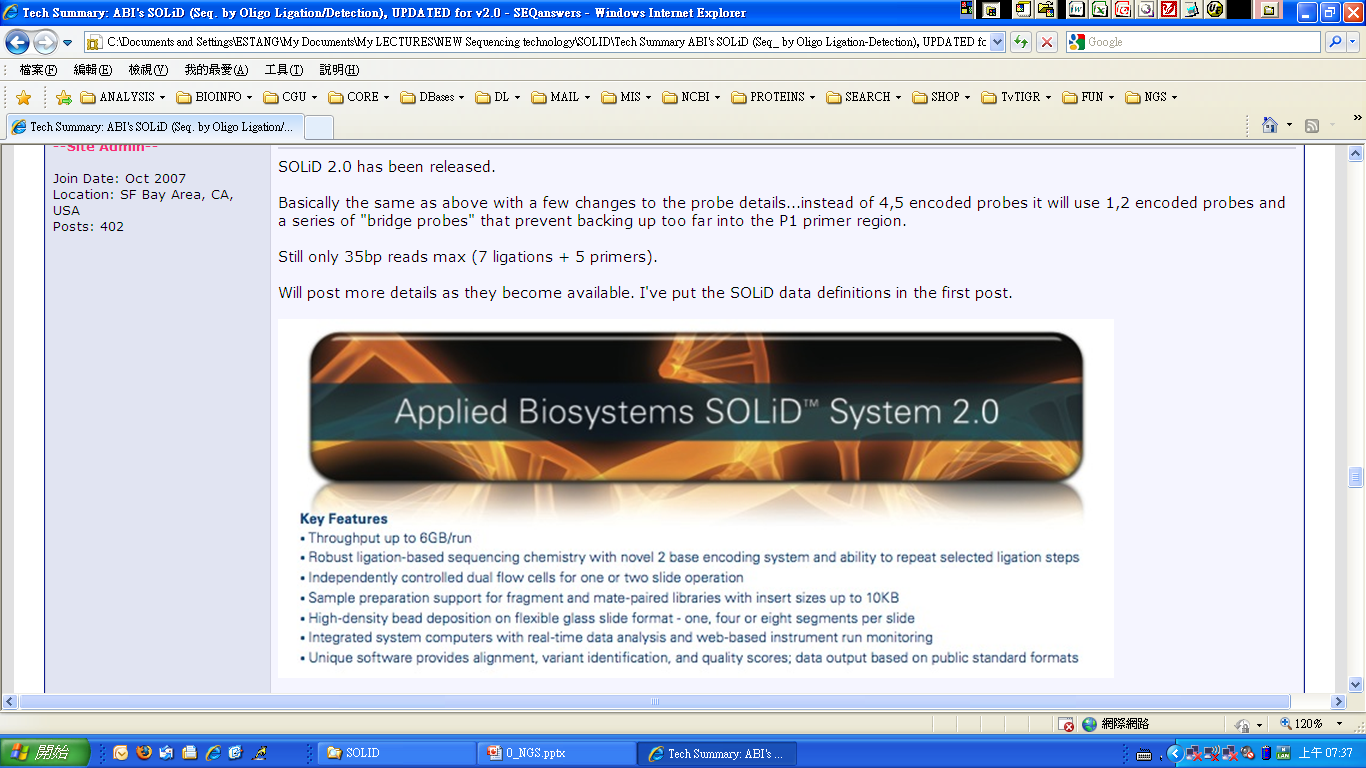
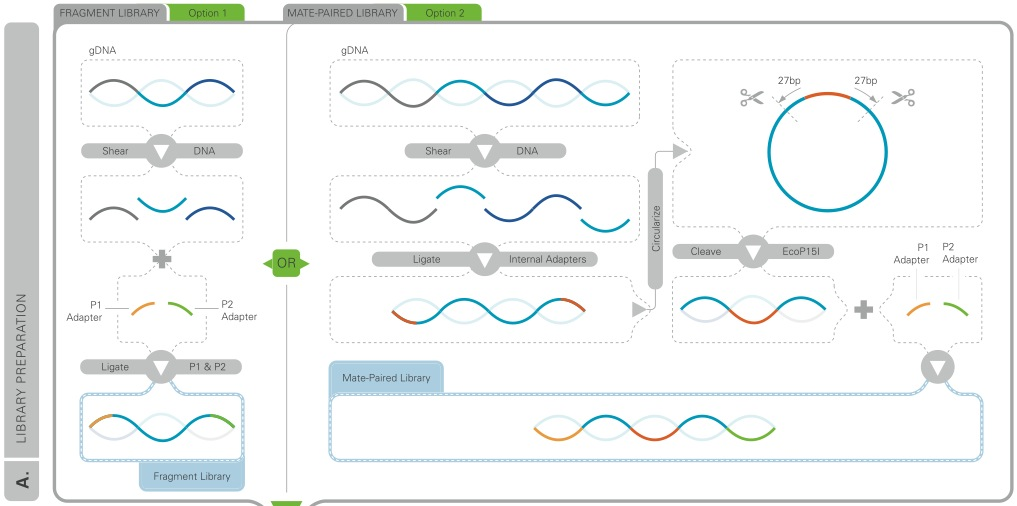
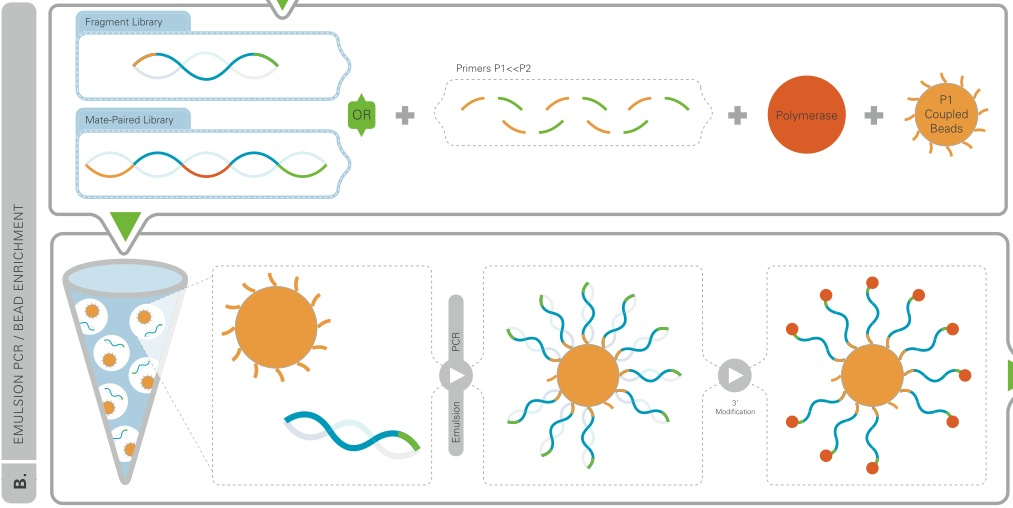
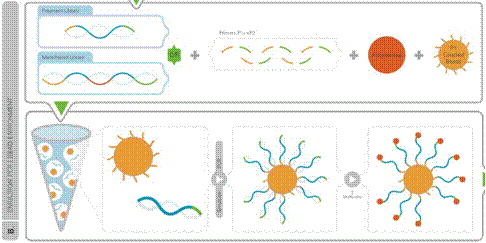
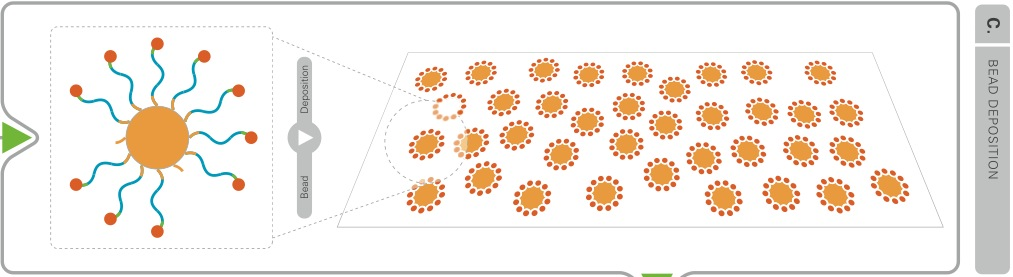
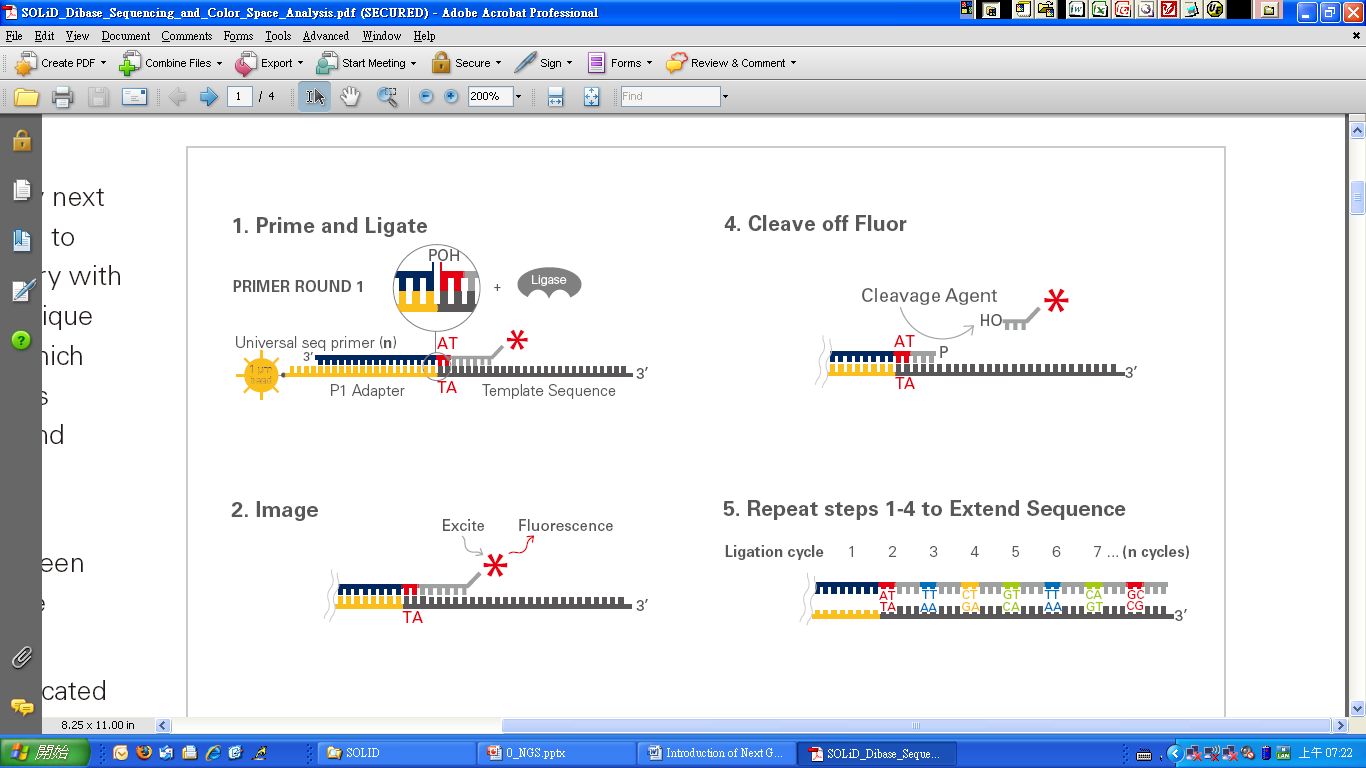
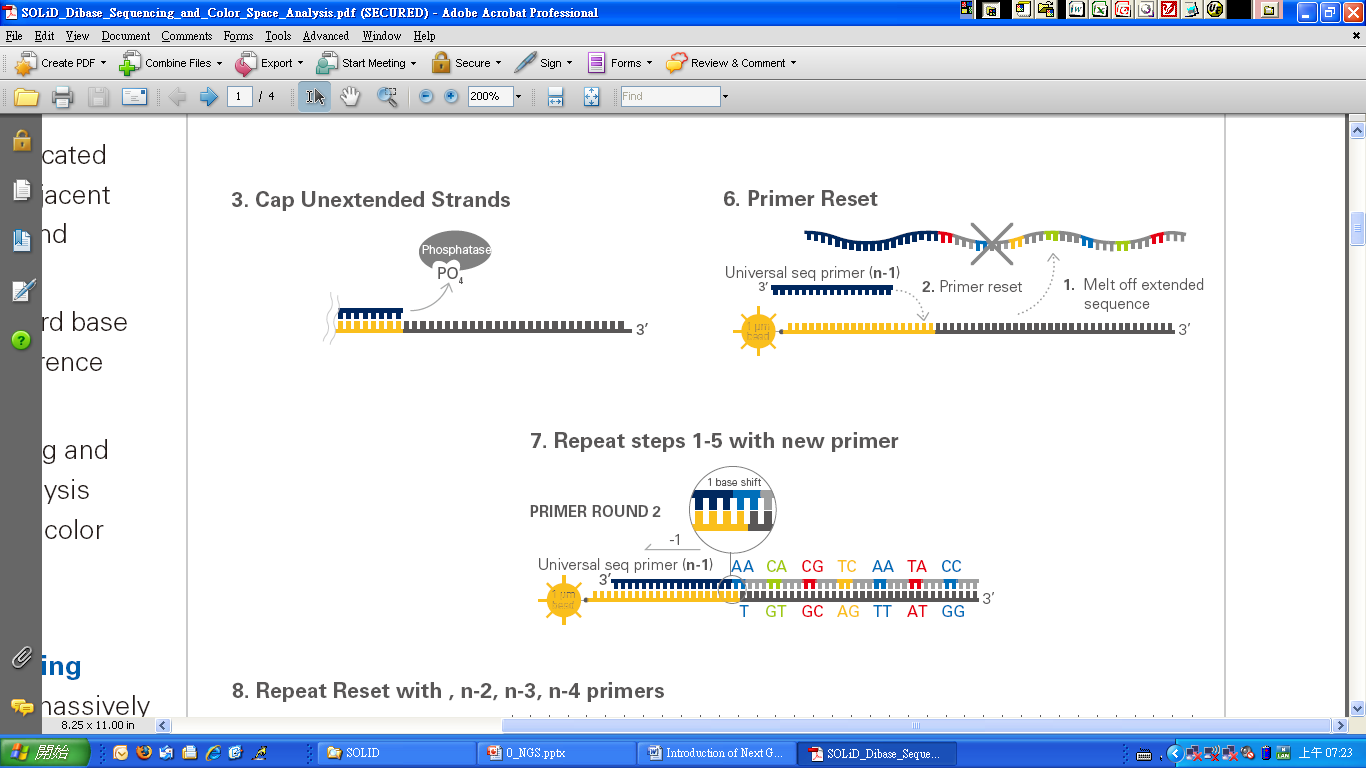
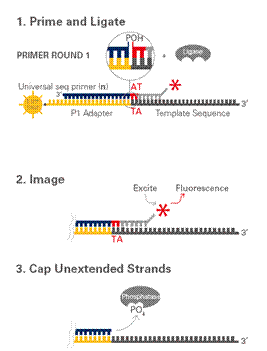
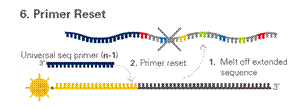
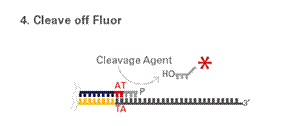
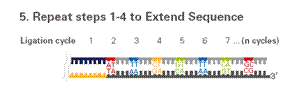
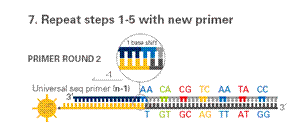
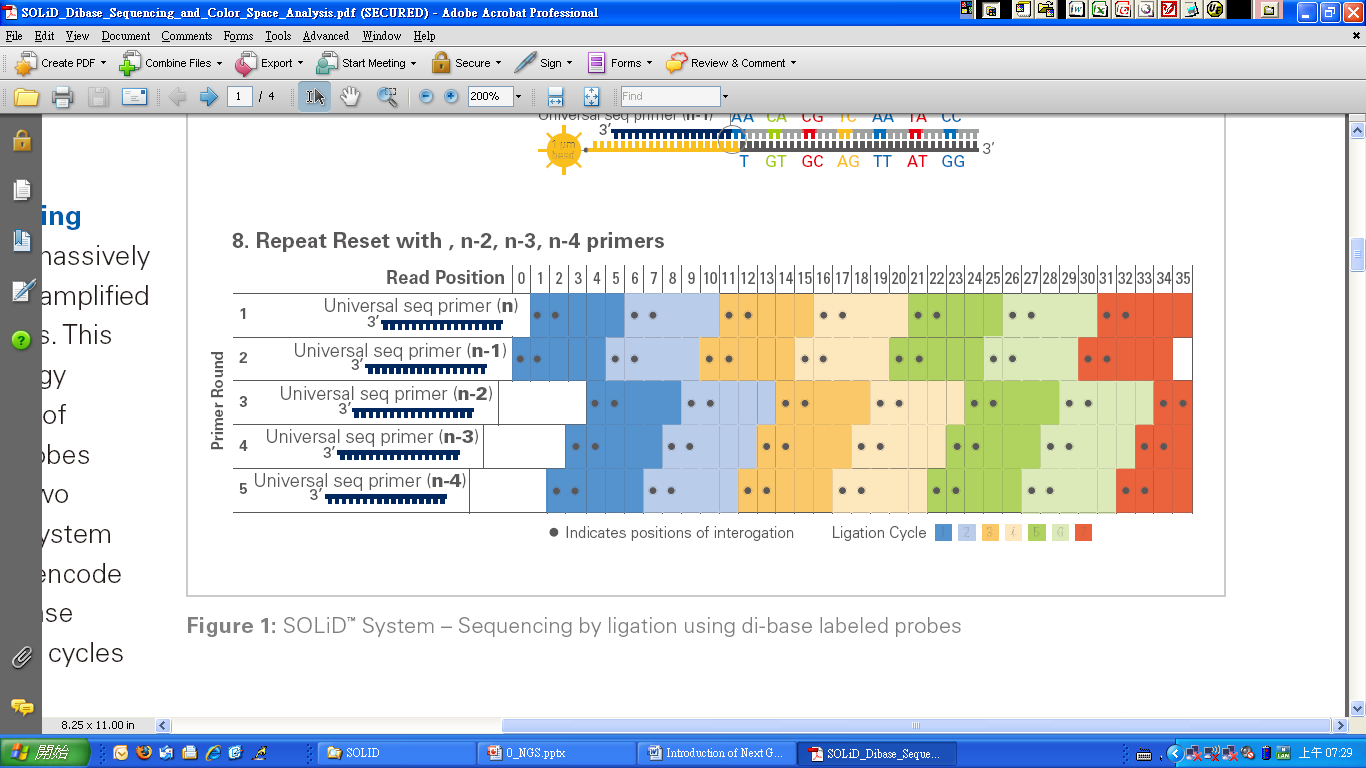
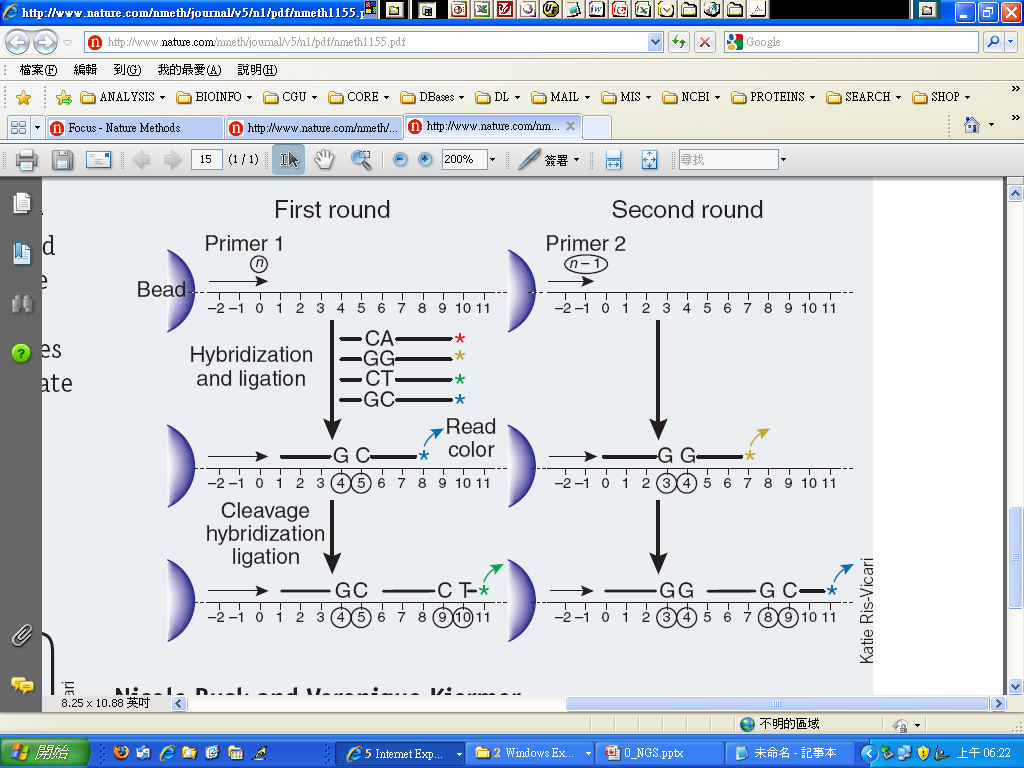
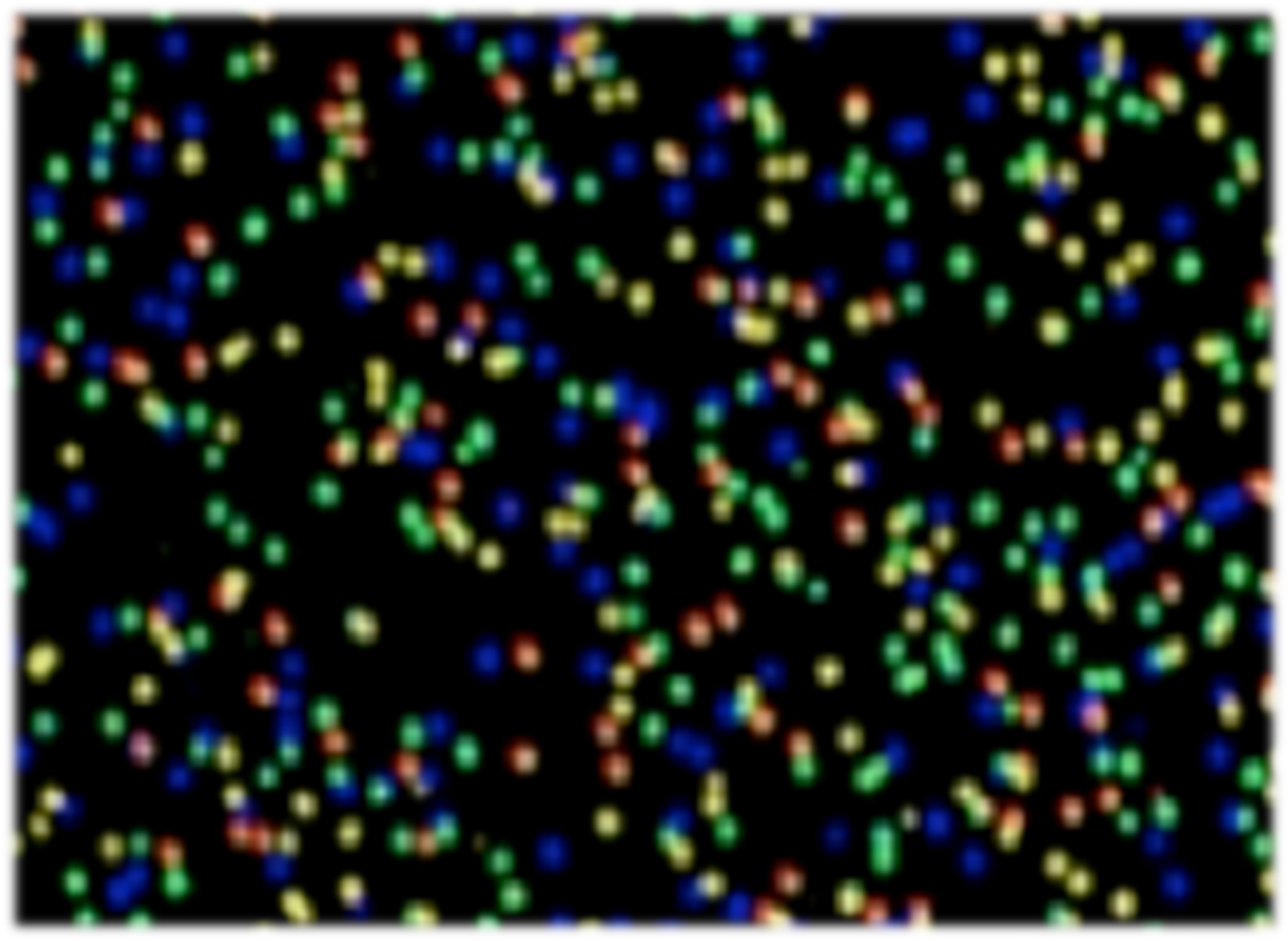
AB SOLiD: Dibase Sequencing
42
 
43
 
44
 
45
 
46
 
47
 
48
 
49
 
50
 
51
 
52
 
53
 
54
 
55
 
56
 
57
 
58
 
59
 
60
 
61
 
62
 
63
 
64
 
65
 
66
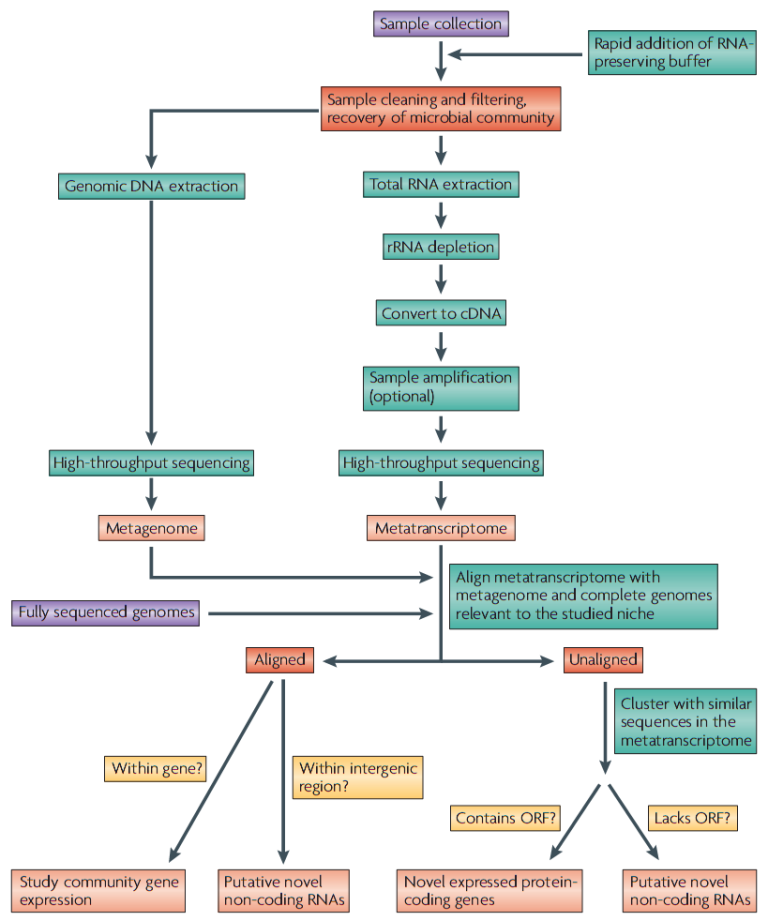
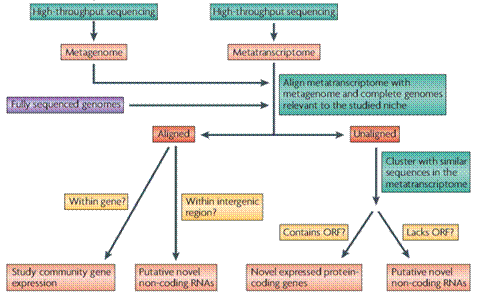
"Alignment to genome"
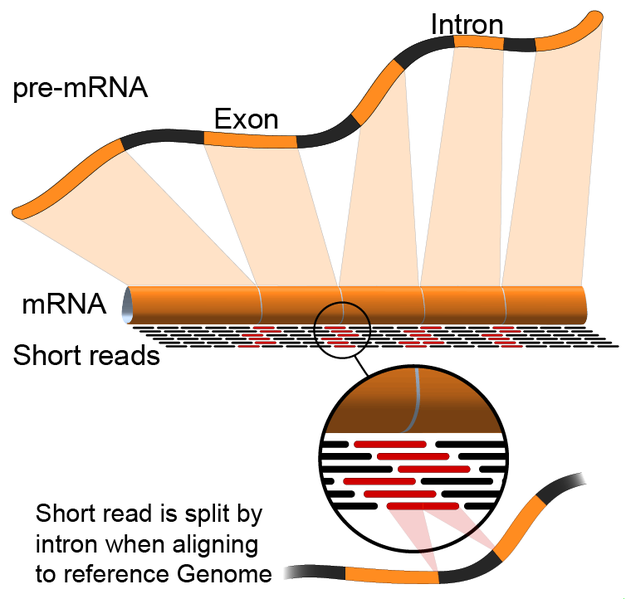
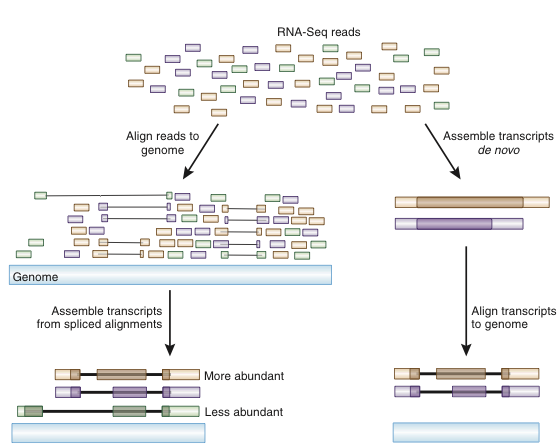
  • Alignment to genome
    • Computationally expensive
    • It is never a good idea to simply align RNA-seq data to the genome Need a spliced aligner or a surrogate (such as including exon-exon junction sequences in ‘genome’)
  • Alignment to transcriptome
    • Reads deriving from non-genic structures may be ‘forcibly’ (and erroneously) aligned to genes
      • Incorrect gene expression values
      • False positive SNVs
      • Many other potential problems
  • Assembly
    • Low expression = difficult/impossible to assemble
    • Misassemblies/fragmented contigs due to repeats
    • Requires vast amounts of memory
67
 
68
 
69
 
70
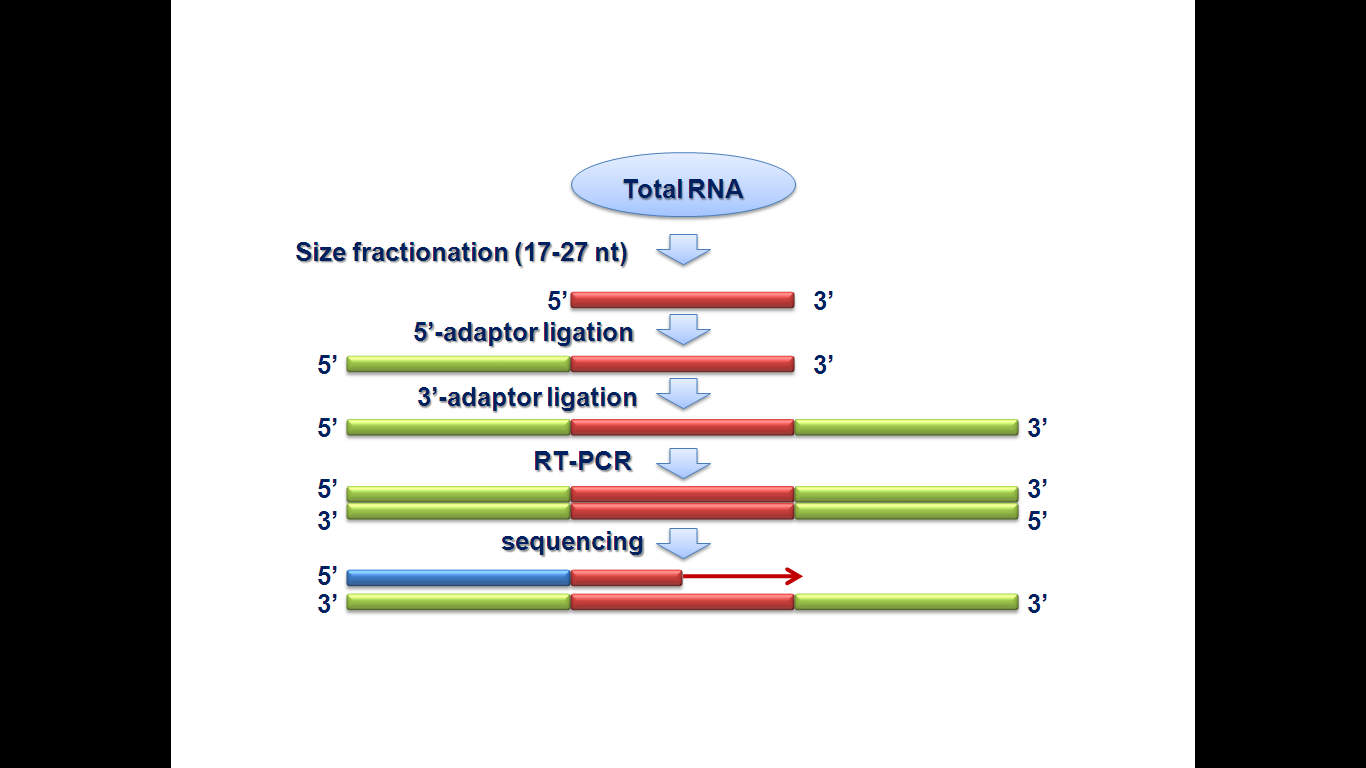
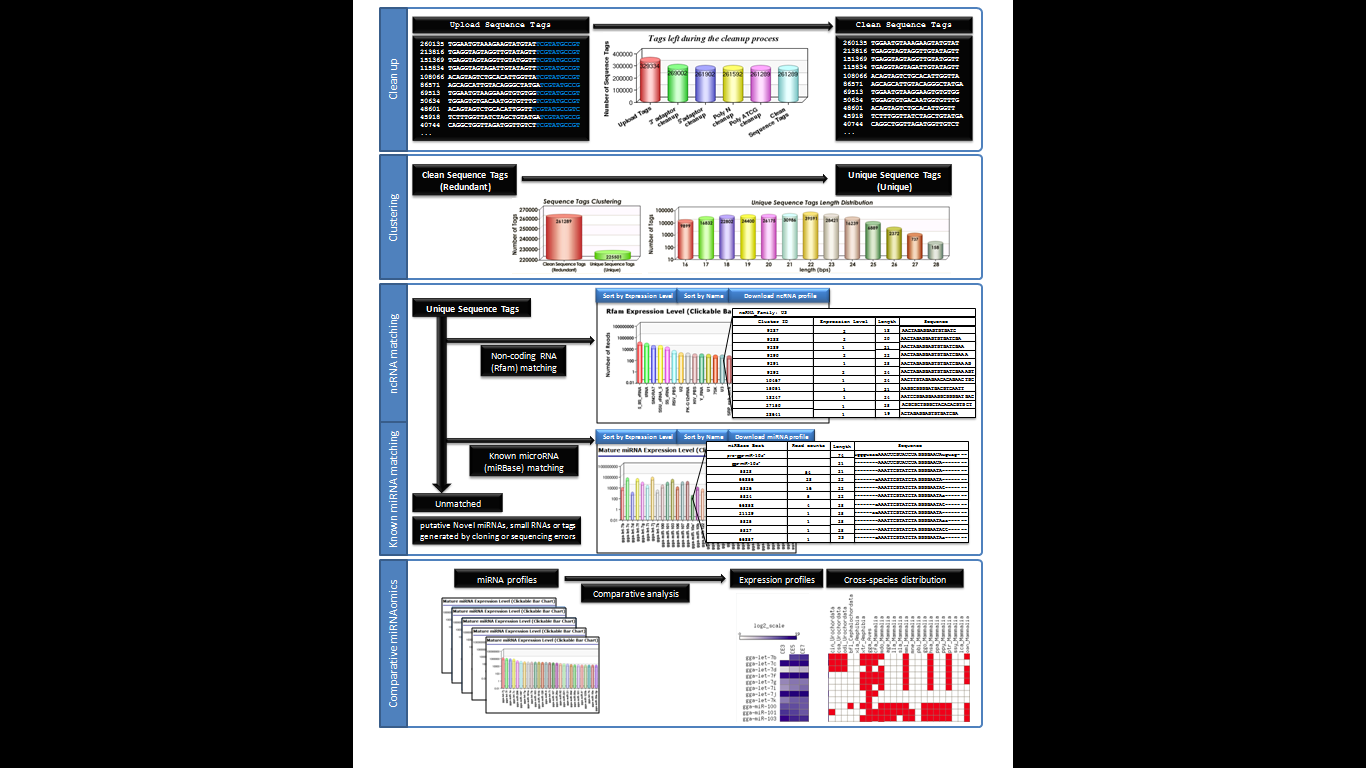
"Clean up"
  • Clean up
  • ↓
  • Clustering
  • ↓
  • ncRNA matching
  • (Rfam V10 )
  • ↓
  • Known miRNA Matching
  • (miRBase V16)
  • ↓
  • Comparative miRNAomics


71
 
72
 
73
 
74
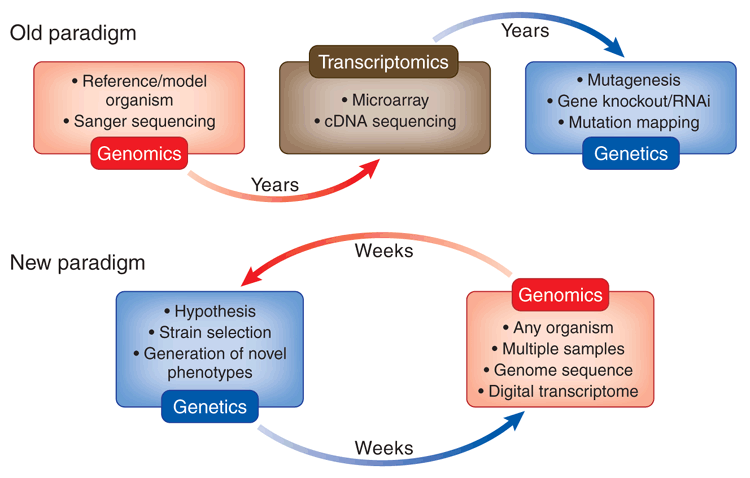
The “old” biology
75
The “new” biology
76
 
77
"The speed of your CPU..."
  • The speed of your CPU determines how quickly it can process instructions
  • Many bioinformatics operations fall into the “embarrassingly parallel” category
  • Getting a results faster is as simple as adding more CPUs
  • => clusters
  • Though clusters still dominate, increasing attention is being paid to servers with large number of cores
78
"Typical sizing is 2GB of..."
  • Typical sizing is 2GB of RAM per core
  • This works fine for most aligners
    • Certain aligners require a minimum number of cores for optimal  efficiency
    • 16-48GB RAM per node
  • Assemblers typically need much more RAM
  • If you don’t have enough RAM, the CPU will need to make use of the disk storage –
  • When a computer has run out of RAM it is said to be “swapping”
  • Some aligners have a minimum memory limit for optimal performance
  • Human de novo requires lots of RAM!
79
"Sequencers generate a lot of..."
  • Sequencers generate a lot of data
  • Including quality values and additional files (alignments etc) create multiplier
  • Binary formats such as BAM are helping, but there are limited binary formats for basic data
    • Life and Illumina are both moving to binary formats for basic data
  • Debates on what needs to be stored
  • RAID
  • Scaling


80
 
81
 
82