|
1
|
|
|
2
|
|
|
3
|
|
|
4
|
|
|
5
|
|
|
6
|
- Development of methods & algorithms to organize, integrate, analyze
and interpret biological and biomedical data
- Study of the inherent structure & flow of biological information
- Goals of bioinformatics:
- Identify patterns
- Classify
- Make predictions
- Create models
- Better utilize existing knowledge
|
|
7
|
|
|
8
|
|
|
9
|
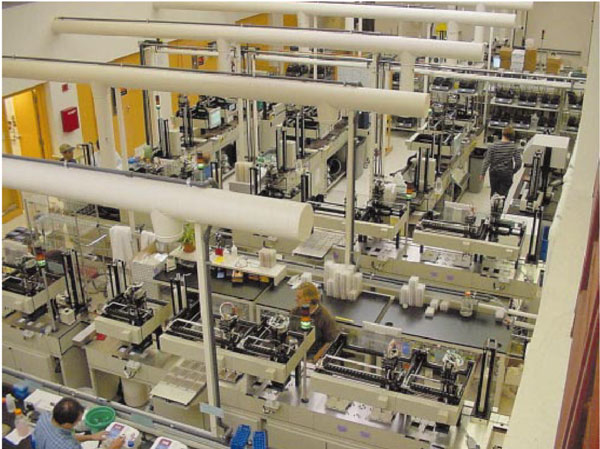
- Miniaturize – less cost
- Multiplex – more data
- Parallelize – save time
- Automate – minimize human intervention
- Thus, you must be able to deal with large amounts of data and trust the
process that generated it
|
|
10
|
- From gene sequencing (~ 1 KB) to genome sequencing (many MB, even GB)
- From picking several genes for expression studies to analyzing the
expression patterns of all genes
- From a catalog of key genes in a few key species to a catalog of all
genes in many species
- Analyzing your data in isolation makes less sense when you can make much
more powerful statements by including data from others
|
|
11
|
- Hypothesis-driven research to data-driven research
- Expertise-driven approach versus information-driven approach
- Reductionist versus integrationist
- How to answer the question becomes how to question an answer
- Algorithmic approaches for filtering, normalizing, analyzing and
interpreting become increasingly important
|
|
12
|
- Must have some hypothesis – data is not the end goal of science
- Finding patterns in the data is where analysis starts, not ends
- Must understand the limits of high-throughput technology (e.g.
microarrays measure transcription only, one genome does not tell you
about species variation, etc.)
- Must understand or explore the limits of your algorithm
|
|
13
|
|
|
14
|
|
|
15
|
|
|
16
|
|
|
17
|
|
|
18
|
|
|
19
|
|
|
20
|
|
|
21
|
|
|
22
|
|
|
23
|
|
|
24
|
|
|
25
|
|
|
26
|
|
|
27
|
|
|
28
|
|
|
29
|
|
|
30
|
|
|
31
|
|
|
32
|
|
|
33
|
|
|
34
|
|
|
35
|
|
|
36
|
|
|
37
|
|
|
38
|
|
|
39
|
|
|
40
|
|
|
41
|
|
|
42
|
|
|
43
|
|
|
44
|
|
|
45
|
|
|
46
|
|
|
47
|
|
|
48
|
|
|
49
|
|
|
50
|
|
|
51
|
|
|
52
|
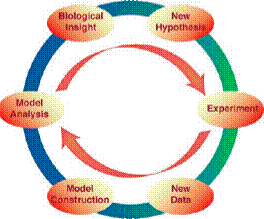
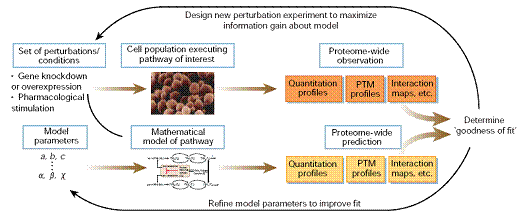
- The components. Discover all of the genes in the genome and the subset
of genes, proteins, and other small molecules constituting the pathway
of interest. If possible, define an initial model of the molecular
interactions governing pathway function (how?).
- Pathway perturbation. Perturb each pathway component through a series of
genetic or environmental manipulations. Detect and quantify the
corresponding global cellular response to each perturbation.
|
|
53
|
- Model Reconciliation. Integrate the observed mRNA and protein responses
with the current, pathway-specific model and with the global network of
protein-protein, protein-DNA, and other known physical interactions.
- Model verification/expansion. Formulate new hypotheses to explain
observations not predicted by the model. Design additional perturbation
experiments to test these and iteratively repeat steps (2), (3), and
(4).
|
|
54
|
|

 備忘錄