
MIAME: six parts
Experimental Design: the set of the hybridization experiments as a whole
Array Design: each array used and each element (spot) on the array
Samples: samples used, the extract preparation and labeling
Hybridizations: procedures and parameters
Measurements: images, quantitation, specifications
Normalization: types, values, specifications
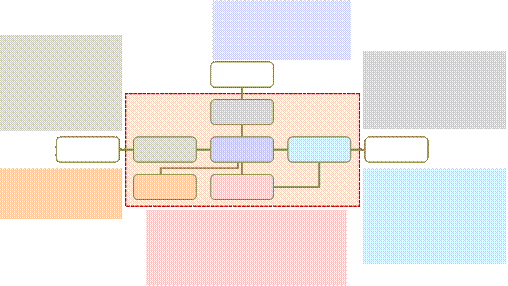
Publication
Experiment
Array
Hybridization
Sample
Normalization
Source
(e.g. Taxonomy)
Data
Gene
(e.g. EMBL)
(e.g. EMBL)
1.Author, contact information, citations
2.Type of experiment (e.g., time course, normal vs diseased comparison)
3.Experimental factors – i.e. tested parameters in the experiment (e.g. time, dose, genetic variation, response to a compound)
4.List of organisms used in the experiment
5.List of platforms used
1.Array design related information (e.g. platform type – in situ synthesized or spotted, array provider, surface type – glass, membrane, other, etc)
2.Properties of each type of elements on the array, that are generated by similar protocols (e.g. synthesized oligos, PCR products, plasmids, colonies, others) – may be simple or composite (Affymetrix)
3.Each element (spot) on the array
1.Sample source and treatment
2.Hybridization extract preparation
3.Laboratory protocol, including extraction method, whether RNA, mRNA, or genomic DNA is extracted, amplification method
4.Labeling
5.Laboratory protocol, including amount of nucleic acids labeled, label used (e.g. Cy3, Cy5, 33P, etc)
1.The solution (e.g. concentration of solutes)
2.Blocking agent
3.Wash procedure
4.Quantity of labelled target used
5.Time, concentration, volume, temperature
6.Description of the hybridization instruments
1.Normalization strategy (spiking, housekeeping genes, total array, other)
2.Normalization algorithm
3.Control array elements
1.Scanning information
–Scan parameters, including laser power, spatial resolution, pixel
space, PMT voltage
–Laboratory protocol for scanning, including scanning hardware and
software used
2.Image analysis information
–Image analysis software specification
–All parameters
3.Summarized information from possible replicates